

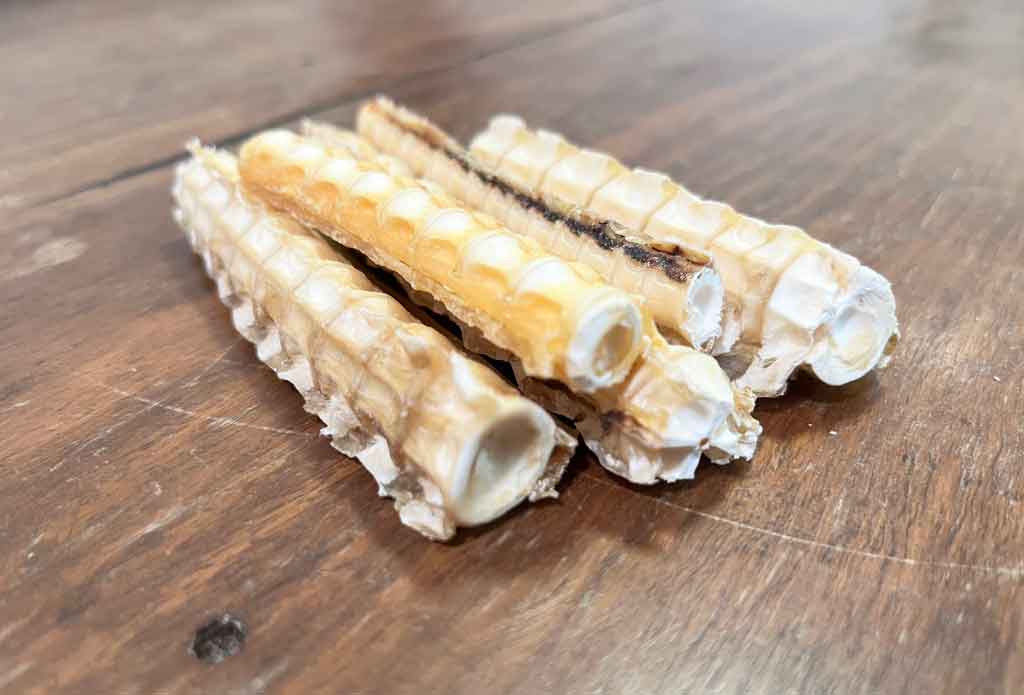
Google doesn’t allow shark cartilage on their google ads platform. This might make you think that American fisher people are endangering all shark species.
YET, “On January 1 2022, Hawaii was the first US state to make shark fishing illegal. The law bans anyone from knowingly capturing, entangling, or killing any shark species in the state’s marine waters.”
This is a blanket ban on all species. And while NOOA will tell you that some species are very endangered – the main reason for the blanket bans is not for Americans eating too many shark, but the ridiculous practice of “shark finning.’
Though shark finning is illegal in American waters, shark fins continue to be imported to and exported from the U.S.
But this still doesn’t explain the issue of banning shark cartilage for dogs when they have such miraculous benefits for dog joints and inflammation. Its all about the glucosamine and chondroitin
If it was a real issue, you might expect that Amerca would make a federal law to ban shark fishing or shark fin trades. But even this is not the case in 2024.
Only thirteen American states currently ban the shark fin trade outright. California, Delaware, Hawaii, Illinois, Maryland, Massachusetts, New York, Oregon, Rhode Island, Texas, Nevada, Washington and three territories American Samoa, Guam, and the Northern Mariana Islands. These states and places legally illegal to sell, trade, or possess shark fins within their borders.
But again, how serious is this problem when the laws have not stopped restaurants in at least 10 of these 13 states from serving shark fin soup at their tables?
We don’t suggest that endangered shark, or the use of shark fin soup in America, or shark finning isn’t a real problem. But the following is what we take exception to.
The reason that shark cartilage for dogs has been caught up in all of this drama is that it is the shark cartilage that give the shark fins their shape that are getting banned along with the shark fin. This is a massive shame, because it is one of the healthiest medicinal, teeth cleaning, low energy fish treats for all dogs that you will find in the world. Shark cartilage for dogs has been unfairly been blamed by legislators, It’s the sourcing in some countries that is the issue NOT the shark cartilage treat itself.
If the laws and responsible fisher people worked together with importers and exporters of shark fin, then shark cartilage would not become embroiled in such unnecessary drama.
The reason we state this is that shark finning in the past has been so lucrative that unscrupulous companies would catch shark, remove the fin, and waste the rest of the shark. I imagine that these people wouldn’t care so much about what species they caught either.
In other countries only non-endangered shark are caught at sea, and through careful monitoring and quotas even those shark that are plentiful are nowhere near endangered. The non-endangered shark are caught for their meat and that is sold at restaurants. While shark fin might be banned, the shark cartilage is still extracted and used in the vet and dog treat industries. This is because it is the best that there is for dog joint support and reducing the inflammation around the joints.
This allows dogs with arthritis or other age-related issues to walk again, free of pain. It means that owners aren’t being gouged by pharmaceutical companies who are more profit driven and can randomly increase their retail prices though protection offered by their patents.
Shark cartilage is different from shark fin, in that shark cartilage is mostly used in the dog market, and so its price often isn’t inflated like if it was in the human market.
Also shark cartilage doesn’t have a retail price anywhere near the price of shark fin used in soups and human foods. Shark cartilage also can use significant amounts of energy to dry, as in most healthy dried dog treats, so this squeezes the margins further and ensures that a black market doesn’t flourish – which might encourage similar problems as caused by shark finning.
Practices that are supposed to protect sharks in America include:
Responsible fishing practices. They involved regulations and guidelines to ensure sustainability and that endangered shark are not caught, and non-endangered shark are caught within quotas. Government agencies analyse and set limits every year, and have sufficient resources to enforce and prosecute those that do wrong.
Authorities would also have effective Traceability and Transparency and marine conservation initiatives for critical shark habitats.
CONCLUSISON
Finger pointing at the consumption of shark cartilage (from non-endangered shark) appears to take away the focus of illegal shark finning and selling practices.
Shark cartilage was once a waste product. A miraculous dog treat with amazing health benefits for dogs was just thrown out, because its value was not understood.
Now days, in countries other than America, with effective regulations and quotas. Non endangered Sharks are caught, and the majority of them go into the human food chain.
If shark cartilage was banned in these countries, it would again just be wasted, and dogs would suffer in pain, or owners would be forced to use artificial medicines made by profit driven pharmaceutical companies that increase prices via patents.
It is a shame that this is the situation, but it probably accounts for why so many American dog owners look to importing shark cartilage dog treats, from ethical countries, to ensure that their dogs healthy are safeguarded.