

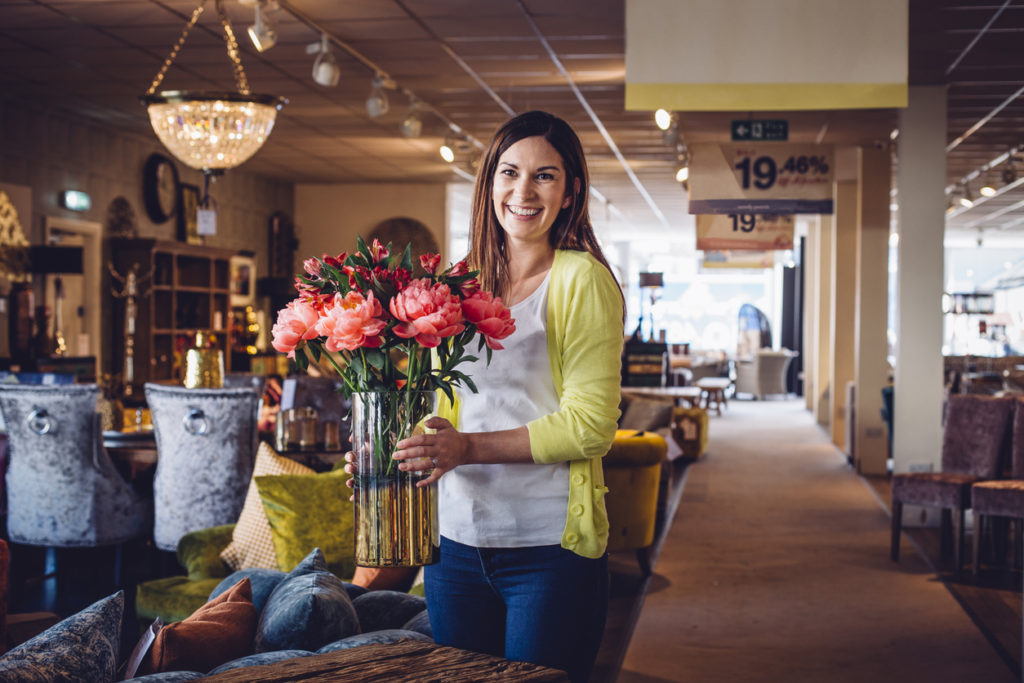
Shopping for home decor is an opportunity to express personality, improve comfort, and create a visually balanced living environment. However, decorating a home can become expensive if purchases are made without a clear plan. With thoughtful decision making and practical budgeting strategies, it is possible to design attractive spaces that reflect individual style while staying financially responsible.
Understanding how to prioritize purchases, evaluate quality, compare prices, and select timeless pieces helps homeowners build interiors that feel intentional rather than rushed. Smart decorating choices also ensure that spaces remain functional and adaptable over time.
Understanding Your Personal Style Before Shopping
One of the most effective ways to control spending on home decor is identifying your design preferences before visiting stores or browsing online catalogs. When shoppers know what styles they like, they avoid unnecessary purchases that do not match their overall vision.
Common interior styles include:
- Modern with clean lines and neutral tones
- Traditional with classic shapes and warm textures
- Minimalist with simple layouts and fewer accessories
- Farmhouse with natural materials and soft colors
- Contemporary with updated and flexible design elements
Exploring magazines, online inspiration boards, and showroom displays can help clarify which direction feels most comfortable and practical.
Once a consistent style is selected, decorating decisions become easier and more efficient.
Set a Clear Budget Before Purchasing Decor
A defined decorating budget prevents overspending and supports long term planning. Instead of buying everything at once, many homeowners achieve better results by decorating gradually.
Budget planning should include:
- Furniture upgrades
- Lighting improvements
- Wall decor
- Textiles such as curtains and rugs
- Accent accessories
Prioritizing larger items first allows smaller decorative elements to complement the overall design later.
Creating a spending plan also encourages thoughtful comparisons between retailers and product categories.
Start With Essential Pieces Before Accessories
Successful home decorating begins with foundational pieces rather than small decorative accents. These larger items establish the visual structure of a room.
Essential decor elements often include:
- Sofas and seating
- Area rugs
- Coffee tables
- Lighting fixtures
- Curtains or window treatments
Once these pieces are in place, smaller accessories such as pillows, artwork, and decorative objects can enhance the space without overwhelming it.
Starting with essentials helps maintain both visual balance and budget control.
Choose Neutral Foundations for Long Term Flexibility
Neutral color palettes provide flexibility when decorating over time. Large furniture items in neutral shades allow homeowners to refresh spaces easily by changing smaller accent pieces instead of replacing major investments.
Popular neutral tones include:
- Beige
- Gray
- White
- Soft taupe
- Warm cream
Accent colors can then be introduced through:
- Throw pillows
- Decorative vases
- Wall art
- Blankets
- Table accessories
This strategy reduces replacement costs while maintaining a fresh appearance across seasons.
Mix Textures to Add Depth Without Overspending
Decorating effectively does not require purchasing expensive items. Combining different textures creates visual interest even when working within modest budgets.
Examples of texture combinations include:
- Linen with wood
- Metal with glass
- Cotton with ceramic
- Woven baskets with upholstered furniture
Layering textures helps rooms feel complete and thoughtfully designed without relying on costly statement pieces.
Shop Seasonally to Find Better Prices
Timing plays an important role in home decor shopping. Many retailers reduce prices at predictable points throughout the year.
Common sale periods include:
- End of summer clearance events
- Post holiday promotions
- Early spring refresh sales
- End of year inventory reductions
Planning purchases around these periods allows shoppers to stretch decorating budgets significantly.
Seasonal awareness also increases access to discontinued collections at reduced prices.
Measure Spaces Before Buying Decor Items
Purchasing furniture or accessories without accurate measurements often leads to costly mistakes. Oversized or undersized pieces disrupt room balance and may require replacement.
Before shopping, measure:
- Wall width and height
- Floor space around seating areas
- Window dimensions
- Entryways and hallways for delivery access
Keeping measurements on a mobile device or notebook helps shoppers make confident decisions while browsing stores.
Accurate planning prevents unnecessary returns and wasted spending.
Use Lighting as a Cost Effective Design Upgrade
Lighting has a powerful influence on how a room feels. Adjusting lighting can transform a space without requiring major structural changes or expensive renovations.
Effective lighting strategies include:
- Adding floor lamps for warmth
- Using table lamps for layered lighting
- Installing adjustable reading lights
- Choosing warm tone bulbs for comfort
Lighting improvements often deliver strong visual impact with relatively small investment.
Combine New Purchases With Existing Decor
Replacing every item in a room is rarely necessary. Combining new decor with existing pieces helps reduce expenses while maintaining familiarity.
Ways to refresh rooms using current items include:
- Rearranging furniture layouts
- Updating pillow covers
- Reframing artwork
- Repositioning decorative objects
- Rotating seasonal accessories
Small adjustments can create noticeable improvements without requiring large purchases.
This approach supports gradual and thoughtful decorating progress.
Focus on Quality Instead of Quantity
Buying fewer high quality items often produces better long term results than purchasing many inexpensive accessories. Durable decor pieces maintain appearance longer and require less frequent replacement.
Examples of worthwhile investments include:
- Solid wood furniture
- Well constructed lighting fixtures
- Durable rugs
- Comfortable seating
Choosing quality ensures decor remains attractive and functional for years.
Balancing investment pieces with budget friendly accessories helps maintain financial control while improving overall design consistency.
Use Wall Decor Strategically to Transform Spaces
Wall decor plays a central role in defining room personality. Thoughtful placement of artwork and decorative elements creates visual structure without requiring major furniture changes.
Effective wall decor options include:
- Framed artwork
- Mirrors that reflect light
- Floating shelves
- Decorative panels
- Textile wall hangings
Mirrors are particularly useful because they increase brightness and make smaller rooms appear larger.
Strategic wall styling adds character while preserving valuable floor space.
Explore Multiple Shopping Sources for Better Deals
Limiting purchases to one retailer can increase decorating costs unnecessarily. Comparing options across different sources improves chances of finding better value.
Popular home decor shopping sources include:
- Furniture stores
- Local decor boutiques
- Outlet centers
- Online marketplaces
- Seasonal pop up shops
Exploring multiple retailers increases variety and helps shoppers identify styles that match both budget and preferences.
Comparison shopping also supports smarter decision making.
Add Greenery for Affordable Visual Impact
Plants are one of the most cost effective ways to improve interior appearance. Even a small number of plants can make rooms feel more welcoming and complete.
Popular indoor plant options include:
- Snake plants
- Pothos plants
- Peace lilies
- Small succulents
- Fiddle leaf fig trees
Artificial plants can also provide decorative benefits when maintenance time is limited.
Greenery introduces texture and color while improving room atmosphere.
Avoid Impulse Purchases When Decorating
Impulse purchases are one of the most common reasons decorating budgets exceed expectations. Taking time to evaluate each purchase ensures better long term results.
Before buying decor items, consider:
- Whether the item matches existing style
- Whether the size fits the space
- Whether the color supports the room palette
- Whether the item serves a purpose
Thoughtful decision making leads to cohesive interiors rather than cluttered arrangements.
Planning purchases carefully ensures decorating efforts remain organized and intentional.
Refresh Decor Gradually Instead of All at Once
Decorating an entire home at once can feel overwhelming and expensive. Gradual updates allow homeowners to evaluate results and adjust plans as needed.
A step by step approach helps:
- Spread costs over time
- Maintain consistent style direction
- Reduce decorating mistakes
- Improve satisfaction with final outcomes
Rooms often evolve more naturally when decorated in stages rather than through rapid purchases.
Gradual decorating also allows flexibility as preferences change.
Frequently Asked Questions About Shopping for Home Decor
1. How can shoppers choose decor that matches different rooms in one home
Selecting a consistent color palette or repeating similar materials across rooms helps create visual continuity without making spaces look identical.
2. Is it better to buy matching furniture sets or individual pieces
Mixing individual pieces often creates a more personalized and balanced interior compared to purchasing complete matching sets.
3. How often should home decor be updated
Most decorative accessories can be refreshed seasonally, while major furniture pieces typically remain useful for several years.
4. Are handmade decor items worth purchasing
Handmade decor items often provide unique character and craftsmanship that mass produced pieces cannot replicate.
5. What is the easiest room to start decorating first
Living rooms are often the best starting point because they serve as central gathering spaces and set the tone for the rest of the home.
6. Can renters decorate effectively without permanent changes
Yes. Temporary wall art, removable decals, area rugs, and portable lighting allow renters to personalize spaces without structural modifications.
7. How can small rooms look stylish without overcrowding them
Using mirrors, light color palettes, vertical storage solutions, and fewer but carefully selected accessories helps maintain style while preserving open space.