

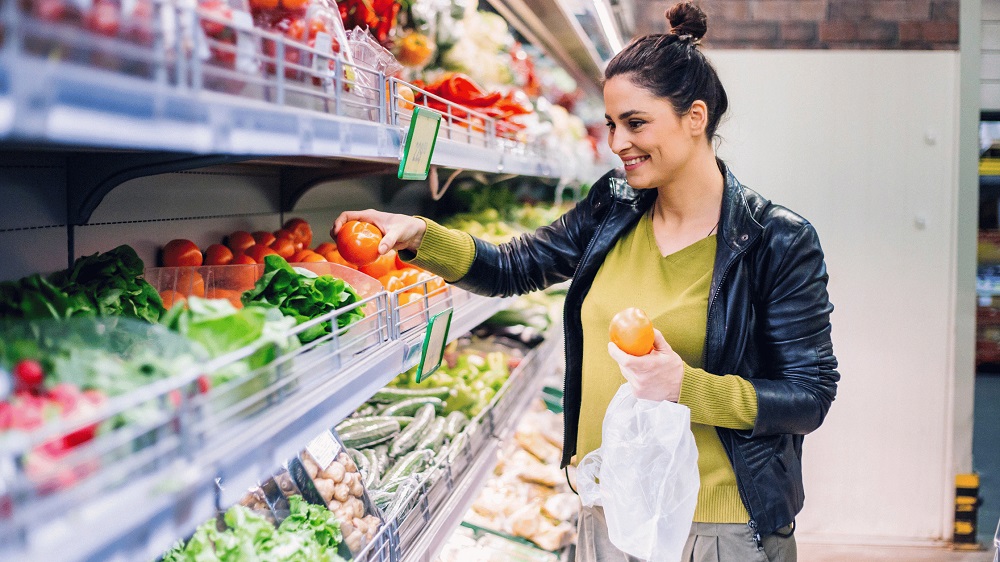
Efficient grocery shopping saves both time and money while helping households maintain healthier eating habits. Many shoppers enter stores without preparation, which often leads to impulse purchases, forgotten essentials, and higher weekly expenses. With the right strategies, grocery trips can become faster, more organized, and more cost effective.
Learning how to shop for groceries efficiently involves planning meals, organizing lists, understanding store layouts, comparing prices wisely, and choosing quality products that match household needs. These habits reduce stress and improve consistency in managing food budgets.
Why Efficient Grocery Shopping Matters
Efficient grocery shopping is not only about saving money. It also improves daily routines and supports better nutrition choices.
Benefits of efficient grocery shopping include:
- Reduced weekly food expenses
- Less food waste at home
- Faster store visits
- Healthier meal planning
- Improved household organization
When shoppers follow structured grocery routines, they avoid unnecessary purchases and make better decisions about what to buy.
Plan Meals Before Visiting the Store
Meal planning is one of the most effective ways to shop efficiently. Instead of buying items randomly, planning meals ensures every purchase has a purpose.
Start by reviewing your weekly schedule and deciding how many meals will be cooked at home. Then choose recipes that match available time and ingredients.
Meal planning helps shoppers:
- Avoid duplicate purchases
- Reduce last minute takeout spending
- Use ingredients more effectively
- Maintain balanced nutrition
Planning even three to five meals ahead can significantly improve grocery efficiency.
Create a Structured Grocery List
A grocery list acts as a roadmap for the entire shopping trip. Without one, shoppers often forget essentials and buy unnecessary extras.
Organize grocery lists by category such as:
- Produce
- Dairy products
- Meat and seafood
- Pantry items
- Frozen foods
- Household supplies
Grouping items by store sections helps reduce time spent walking through aisles repeatedly. This approach speeds up shopping while keeping purchases focused.
Digital list apps can also help households share updates in real time when multiple people contribute to grocery planning.
Check What You Already Have at Home
Before leaving for the store, review your refrigerator, pantry, and freezer. Many households accidentally buy items they already own simply because they did not check inventory first.
Checking existing supplies helps:
- Prevent food waste
- Reduce unnecessary spending
- Improve meal coordination
- Maintain organized storage spaces
This small step makes grocery trips far more efficient.
Set a Realistic Grocery Budget
Efficient grocery shopping includes managing spending expectations. Establishing a weekly or monthly grocery budget helps households stay financially organized.
Budget planning encourages shoppers to:
- Prioritize essential items
- Compare product sizes and pricing
- Avoid impulse purchases
- Choose cost effective alternatives
Tracking grocery spending over time also helps identify patterns that can be improved.
Shop at the Right Time of Day
Timing affects how efficiently shoppers move through grocery stores. Visiting during less crowded hours reduces wait times and improves access to fresh inventory.
The most efficient shopping periods often include:
- Early morning hours
- Late evening visits
- Weekday afternoons
Shopping during these times allows customers to focus better and complete trips more quickly.
Understand Store Layouts to Save Time
Most grocery stores follow similar layout patterns. Fresh produce typically appears near the entrance, while pantry goods are placed in middle aisles and frozen foods are located along the perimeter.
Learning store layouts helps shoppers:
- Navigate faster
- Avoid backtracking
- Locate items quickly
- Complete trips with fewer distractions
Over time, familiarity with store organization makes grocery shopping significantly more efficient.
Buy Frequently Used Items in Larger Quantities
Purchasing frequently used staples in larger quantities can reduce both cost per unit and number of shopping trips.
Common bulk purchase items include:
- Rice and pasta
- Cooking oil
- Flour and sugar
- Cleaning supplies
- Frozen vegetables
However, bulk buying works best when households have adequate storage space and clear usage plans.
Compare Unit Prices Instead of Package Prices
Many shoppers compare total prices instead of unit prices. Unit pricing provides a more accurate way to determine value.
Unit price comparisons help shoppers:
- Identify better deals
- Avoid misleading packaging sizes
- Save money over time
- Make informed purchasing decisions
Most grocery stores display unit pricing on shelf labels to help customers compare products easily.
Choose Store Brands When Appropriate
Store brand products often provide the same quality as national brands at lower prices. Many retailers produce private label goods through the same manufacturers used by major brands.
Switching to store brands can reduce grocery costs across categories such as:
- Dairy products
- Pantry staples
- Frozen foods
- Cleaning supplies
Testing store brand alternatives gradually helps shoppers decide which options meet expectations.
Avoid Shopping While Hungry
Shopping while hungry increases impulse purchases and leads to less efficient decision making. Research consistently shows that hunger influences product selection and spending behavior.
Eating before grocery shopping helps customers:
- Stick to shopping lists
- Avoid unnecessary snacks
- Make healthier choices
- Control spending
This simple habit improves both budgeting and nutrition outcomes.
Use Digital Coupons and Loyalty Programs
Many grocery stores offer loyalty programs and mobile coupons that provide additional savings on frequently purchased items.
Benefits of digital savings tools include:
- Automatic discounts at checkout
- Personalized promotions
- Early sale notifications
- Points-based rewards systems
Using these programs regularly improves long term grocery efficiency.
Shop the Store Perimeter First
The perimeter of most grocery stores contains fresh foods such as produce, dairy, meat, and bakery items. These products typically form the foundation of balanced meals.
Shopping the perimeter first helps shoppers:
- Prioritize nutritious foods
- Reduce processed food purchases
- Build complete meal ingredients quickly
- Maintain healthier grocery habits
After selecting fresh essentials, shoppers can move to center aisles for pantry items.
Limit Impulse Purchases Strategically
Impulse purchases are one of the biggest barriers to efficient grocery shopping. Attractive displays near checkout areas often encourage unnecessary spending.
To reduce impulse purchases:
- Follow a prepared shopping list
- Avoid browsing unrelated aisles
- Set spending limits before entering the store
- Review cart contents before checkout
These habits help maintain control over grocery budgets.
Organize Groceries Immediately After Returning Home
Efficient grocery shopping continues even after leaving the store. Proper storage ensures food remains fresh longer and prevents forgotten ingredients.
Organizing groceries helps households:
- Track available ingredients easily
- Reduce spoilage
- Improve meal preparation speed
- Maintain pantry efficiency
Labeling storage containers and grouping similar items improves visibility and accessibility.
Try Online Grocery Shopping When Appropriate
Online grocery platforms offer an efficient alternative for households with limited time. Many stores now provide pickup and delivery services that reduce travel time and simplify planning.
Online grocery shopping helps:
- Reduce impulse buying
- Compare prices quickly
- Save transportation time
- Maintain digital shopping lists
Combining online ordering with occasional in store visits creates a balanced shopping strategy.
Keep a Running Household Grocery List
Instead of creating lists only before shopping trips, maintain an ongoing grocery list throughout the week. This approach prevents forgotten essentials and improves trip efficiency.
Household members can add items as they run out, ensuring better coordination across the home.
Running lists help:
- Reduce emergency store visits
- Improve planning accuracy
- Support consistent inventory tracking
- Maintain smoother weekly routines
Over time, this habit transforms grocery shopping into a predictable and manageable task.
Frequently Asked Questions About Efficient Grocery Shopping
1. How often should groceries be purchased for maximum efficiency
Most households benefit from one major weekly grocery trip combined with a smaller midweek visit for fresh produce if needed.
2. Is it better to shop at one grocery store or multiple stores
Shopping at one store saves time, but visiting two stores occasionally may reduce costs when price differences are significant.
3. How can shoppers manage grocery trips with children more efficiently
Preparing a list in advance, assigning small tasks to children, and visiting during quieter hours can improve the experience.
4. Should frozen foods be included in efficient grocery planning
Yes. Frozen foods extend shelf life and reduce waste while supporting convenient meal preparation.
5. What is the best way to track grocery spending over time
Using budgeting apps or saving digital receipts helps households monitor trends and adjust purchasing habits.
6. How can small households avoid buying too much food
Purchasing smaller package sizes and planning flexible meals helps prevent excess food storage.
7. Are reusable shopping bags helpful for efficient grocery shopping
Yes. Reusable bags improve organization during checkout and make transporting groceries easier and faster.