

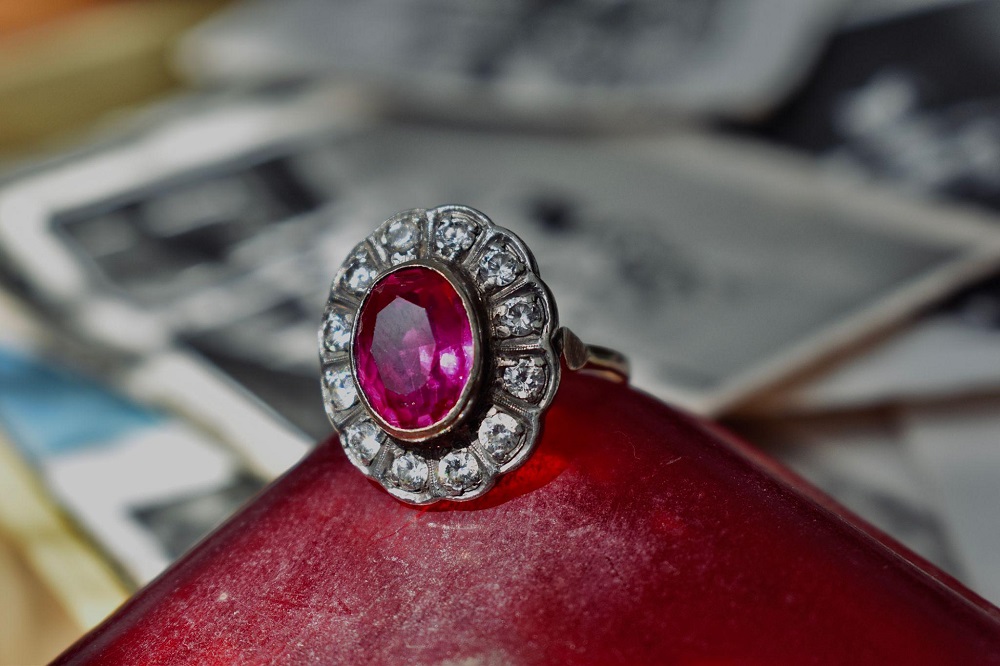
Jewelry has been part of human culture for thousands of years. From ancient handcrafted ornaments to modern minimalist pieces, jewelry continues to represent personal identity, social traditions, emotional connections, and artistic creativity. Today, it remains one of the most versatile accessories because it adapts easily to different occasions, outfits, and lifestyles.
Whether worn daily or reserved for special events, jewelry reflects more than decoration. It communicates personality, heritage, and intention in subtle yet powerful ways. Understanding how to choose, wear, and care for jewelry helps build a collection that stays meaningful and wearable for years.
Why Jewelry Holds Cultural and Personal Significance
Jewelry has always played a role beyond fashion. Across cultures, it marks celebrations, relationships, achievements, and traditions. Many pieces carry emotional value because they are connected to memories or milestones.
Jewelry often represents:
- Family heritage passed through generations
- Commitment and partnership symbols
- Religious or ceremonial traditions
- Personal achievements and milestones
- Individual identity and taste
Because of this meaning, jewelry remains one of the most treasured accessory categories worldwide.
Types of Jewelry That Form a Balanced Collection
A well rounded jewelry collection includes pieces suitable for everyday wear as well as special occasions. Each category contributes differently to styling flexibility.
Common jewelry categories include:
Necklaces
These draw attention to the neckline and complement both casual and formal outfits.
Earrings
Earrings frame the face and influence the overall tone of an outfit.
Bracelets
Bracelets add subtle movement and balance to wrist styling.
Rings
Rings can represent relationships, achievements, or personal preferences.
Combining these elements thoughtfully creates a cohesive jewelry wardrobe.
Everyday Jewelry That Supports Daily Styling
Everyday jewelry should feel comfortable, durable, and versatile. These pieces often become part of a personal signature look.
Examples of reliable daily jewelry include:
- Small stud earrings
- Lightweight chain necklaces
- Simple stacking rings
- Slim bracelets
Neutral designs work well because they coordinate easily with different clothing styles.
Choosing durable materials ensures everyday pieces remain attractive despite frequent use.
Statement Jewelry Creates Visual Impact
Statement pieces help transform simple outfits into expressive looks. These items are designed to attract attention through scale, color, or texture.
Examples of statement jewelry include:
Bold necklaces
These anchor outfit styling and become focal points.
Oversized earrings
They frame the face and create strong visual balance.
Layered bracelets
These add movement and personality to wrist styling.
Statement jewelry works best when paired with simple clothing to maintain visual harmony.
Materials That Influence Jewelry Quality and Longevity
Material selection determines durability, comfort, and long term value.
Common jewelry materials include:
Gold
Gold resists corrosion and maintains its appearance over time.
Silver
Silver offers versatility and pairs well with both casual and formal outfits.
Platinum
Platinum provides durability and strength for heirloom pieces.
Gemstones
Gemstones introduce color and symbolism while enhancing uniqueness.
Understanding material characteristics helps ensure jewelry remains wearable for years.
Fine Jewelry Versus Fashion Jewelry
Jewelry generally falls into two broad categories. Each serves different styling purposes.
Fine jewelry typically includes:
Precious metals such as gold or platinum
Natural gemstones
Long term durability
Higher investment value
Fashion jewelry often includes:
Mixed materials
Trend inspired designs
Affordable pricing
Seasonal styling flexibility
Both categories can coexist in a balanced jewelry collection.
Jewelry As A Reflection of Personal Identity
Jewelry choices often reflect personality traits and lifestyle preferences.
Examples include:
Minimalist individuals choosing delicate designs
Creative personalities selecting bold shapes
Professionals favoring structured pieces
Vintage enthusiasts wearing heritage inspired items
Over time, jewelry becomes a visual representation of personal style evolution.
How Jewelry Enhances Different Outfit Types
Jewelry influences how clothing appears and feels. Even small adjustments can change an outfit’s overall impression.
Examples include:
Pairing simple earrings with business attire for refinement
Adding layered necklaces to casual clothing for dimension
Wearing bold bracelets during social gatherings
Choosing gemstone rings for evening occasions
These adjustments allow jewelry to support different styling goals without changing clothing.
Seasonal Jewelry Choices Improve Versatility
Jewelry styling often changes throughout the year based on clothing textures and colors.
Seasonal adjustments may include:
Lightweight pieces during warmer months
Layered metal textures during cooler seasons
Colorful gemstones in spring and summer
Neutral metallic tones in fall and winter
Rotating jewelry seasonally helps maintain visual freshness.
Caring For Jewelry Extends Its Lifespan
Proper care ensures jewelry maintains its appearance and structural integrity.
Helpful maintenance habits include:
Storing pieces separately to prevent scratches
Cleaning metals regularly using soft cloths
Avoiding exposure to moisture and chemicals
Removing jewelry before physical activities
Consistent care protects both appearance and durability.
Building A Jewelry Collection Gradually
A thoughtful jewelry collection develops over time rather than all at once. Starting with versatile essentials ensures strong styling flexibility.
Recommended starting pieces include:
Simple stud earrings
Neutral chain necklace
Classic bracelet
Minimalist ring
After establishing these basics, statement pieces can expand styling options.
Gradual collection building allows each piece to remain meaningful rather than impulsive.
Jewelry As A Meaningful Gift Choice
Jewelry remains one of the most popular gifts because it carries emotional significance. It often marks important life moments and relationships.
Examples include:
Birthdays
Anniversaries
Graduations
Career achievements
Because jewelry lasts for years, it becomes a lasting reminder of special occasions.
Modern Jewelry Trends And Timeless Appeal
While jewelry trends change regularly, certain styles remain consistently popular.
Timeless examples include:
Gold chain necklaces
Stud earrings
Simple bangles
Gemstone rings
Balancing classic and contemporary pieces helps maintain long term versatility.
Why Jewelry Remains Relevant Across Generations
Jewelry continues to connect generations through shared traditions and memories. Heirloom pieces often carry stories that strengthen family identity.
Jewelry remains meaningful because it:
Preserves personal history
Reflects cultural traditions
Enhances daily styling
Marks important milestones
Supports creative expression
These qualities ensure jewelry continues to hold lasting importance.
FAQs
How can beginners start building a jewelry collection
Start with versatile basics such as stud earrings, simple chains, and neutral rings before adding statement pieces.
Is it better to choose gold or silver jewelry first
Choose the metal tone that complements your wardrobe and skin tone most consistently.
How often should jewelry be cleaned
Cleaning frequency depends on usage, but regularly worn pieces benefit from gentle cleaning every few weeks.
Can jewelry be worn every day safely
Yes. Durable pieces made from quality materials are suitable for daily wear when properly maintained.
What makes jewelry suitable for professional settings
Minimalist designs and neutral metals work best in structured environments.
Should jewelry match clothing colors exactly
Matching is not required. Complementary tones often create more balanced styling.
How should jewelry be stored during travel
Use padded travel organizers that separate pieces to prevent scratches and tangling.