

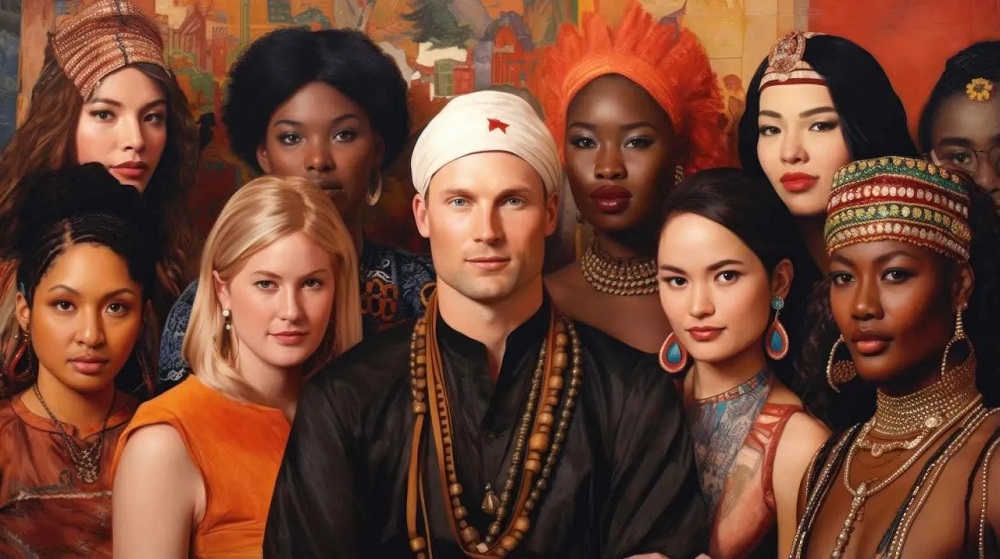
Clothing does more than protect the body or follow fashion trends. Across the world, garments carry stories about history, geography, religion, social structure, and community values. What people wear often reflects where they come from and what they believe. From woven patterns passed down through generations to ceremonial attire reserved for special occasions, clothing remains one of the most visible expressions of cultural identity.
Understanding how clothing represents regional identity helps us appreciate traditions, recognize diversity, and see fashion as a meaningful cultural language rather than just a changing industry.
Why Clothing Is a Powerful Cultural Expression
Clothing communicates identity quickly and clearly. Long before spoken interaction begins, attire can signal belonging, values, occupation, or heritage.
Cultural clothing often reflects:
- Climate and geography
- Religious traditions
- Social status and roles
- Community history
- Artistic expression through textiles
Because clothing is worn daily or during ceremonies, it becomes a living archive of cultural continuity.
Climate Influences Regional Clothing Styles
Geography strongly shapes how communities dress. Materials, layering techniques, and garment structures often respond directly to environmental conditions.
Examples include:
Cold climates
Regions with long winters favor layered wool garments, insulated outerwear, and protective head coverings.
Hot climates
Loose fabrics such as cotton and linen help airflow and comfort in warmer regions.
Humid environments
Breathable textiles and lighter silhouettes reduce discomfort in tropical areas.
Dry desert regions
Long garments protect skin from sun exposure while maintaining ventilation.
These adaptations demonstrate how clothing evolves alongside environmental needs.
Traditional Clothing Preserves Historical Memory
Many regional garments preserve techniques developed centuries ago. Textile patterns often carry symbolic meanings connected to ancestry and storytelling.
Historical clothing traditions may include:
- Handwoven fabrics created using regional looms
- Embroidery patterns representing family heritage
- Colors associated with ceremonies or rituals
- Decorative motifs reflecting local beliefs
These details transform clothing into a visual record of cultural continuity.
Clothing Reflects Religious Values And Practices
Religion influences clothing choices in many parts of the world. Garments often express modesty principles, ceremonial expectations, or spiritual symbolism.
Examples of religious influence include:
Head coverings worn during worship
Specific garment colors used during rituals
Loose silhouettes representing modesty traditions
Special attire reserved for religious celebrations
Such clothing communicates respect for faith traditions and community values.
Social Roles And Status Appear Through Clothing
Historically, clothing has reflected social position within communities. Materials, ornamentation, and garment complexity often signaled roles and responsibilities.
Traditional markers of social identity included:
Occupation
Artisans, farmers, traders, and leaders often wore distinct styles.
Age groups
Certain garments were reserved for elders or young adults.
Marital status
Some cultures used jewelry or textile colors to indicate relationship status.
Leadership roles
Ceremonial garments often identified community authority figures.
Even today, clothing can reflect professional identity and social belonging.
Regional Textiles Tell Unique Cultural Storie
Textile traditions vary widely across regions. Each community develops distinctive weaving techniques, dyeing processes, and pattern symbolism.
Examples of textile storytelling include:
Geometric patterns representing natural landscapes
Floral motifs symbolizing fertility or renewal
Animal imagery connected to mythology
Color combinations marking community identity
These elements turn fabrics into meaningful cultural symbols rather than simple decorative surfaces.
Ceremonial Clothing Strengthens Cultural Continuity
Ceremonial attire plays an important role in preserving identity across generations. Weddings, festivals, and community events often feature garments that remain unchanged for centuries.
Ceremonial clothing often includes:
Handcrafted embroidery
Special color symbolism
Layered jewelry traditions
Textiles reserved for specific celebrations
These garments help communities maintain connection to heritage even as everyday clothing evolves.
Migration Influences Regional Clothing Traditions
As people move across borders, clothing traditions travel with them. Migration introduces new fabrics, techniques, and styling combinations into local wardrobes.
Cultural blending can create:
Hybrid garment styles combining multiple influences
Modern adaptations of traditional silhouettes
New textile patterns inspired by cross-cultural exchange
Urban reinterpretations of heritage clothing
This evolution demonstrates that cultural clothing remains dynamic rather than fixed.
Clothing As A Marker Of Cultural Pride
Many communities actively preserve traditional clothing as a sign of pride and identity. Wearing heritage garments during celebrations reinforces connection to ancestry.
Cultural pride through clothing often appears during:
National holidays
Regional festivals
Family ceremonies
Community gatherings
These occasions allow individuals to express identity visually while strengthening social bonds.
Modern Fashion Continues To Reflect Cultural Identity
Contemporary designers frequently draw inspiration from traditional clothing. Modern collections often reinterpret heritage elements in new forms.
Examples include:
Traditional embroidery integrated into modern jackets
Regional fabrics used in contemporary tailoring
Historic silhouettes adapted for everyday wear
Cultural color palettes applied to global fashion trends
This blending allows cultural identity to remain visible within modern wardrobes.
Cultural Clothing Encourages Global Understanding
Exposure to different clothing traditions helps people recognize diversity respectfully. Learning about regional garments promotes appreciation rather than assumption.
Benefits of understanding cultural clothing include:
Stronger intercultural awareness
Greater respect for heritage traditions
Recognition of artistic craftsmanship
Appraisal of historical continuity
Fashion becomes a bridge between communities rather than a dividing line.
Preserving Traditional Clothing In A Globalized World
Global fashion trends sometimes challenge the survival of regional clothing traditions. However, many communities continue protecting heritage textiles through education and celebration.
Preservation strategies include:
Teaching weaving techniques to younger generations
Supporting local textile artisans
Wearing traditional garments during festivals
Documenting garment construction methods
These efforts ensure that cultural clothing remains visible and meaningful.
Clothing Reflects Identity Beyond Geography
Although clothing often reflects regional origin, it also expresses personal identity. Individuals choose garments that connect them to family heritage, beliefs, and lifestyle preferences.
Personal identity through clothing may reflect:
Cultural ancestry
Community belonging
Professional roles
Creative expression
This combination makes clothing both a cultural and individual statement.
Why Cultural Clothing Remains Relevant Today
Traditional garments continue influencing modern wardrobes because they represent authenticity and continuity. They remind communities where they came from while adapting to contemporary lifestyles.
Cultural clothing remains important because it:
Preserves historical memory
Supports artisan communities
Strengthens social identity
Encourages creative expression
Connects generations through shared tradition
As fashion evolves, cultural identity remains one of its strongest foundations.
FAQs About Clothing And Cultural Identity Across Regions
Why do traditional garments vary so much between regions
Differences in climate, available materials, religious practices, and historical influences shape regional clothing traditions uniquely.
Can modern clothing still reflect cultural identity
Yes. Many people incorporate traditional patterns, fabrics, or accessories into contemporary outfits to maintain cultural connection.
Are traditional textiles still handmade today
In many regions, artisans continue producing handwoven fabrics using techniques passed down through generations.
How does globalization affect cultural clothing traditions
Globalization introduces new materials and styles while also encouraging communities to preserve heritage clothing more intentionally.
Why are certain colors important in cultural garments
Colors often represent symbolic meanings connected to celebrations, beliefs, or social roles within communities.
Do younger generations still wear traditional clothing
Many young people wear heritage garments during festivals, weddings, and cultural events to maintain connection with their roots.
How can people respectfully appreciate clothing from other cultures
Learning about garment history, supporting authentic artisans, and avoiding cultural misrepresentation are important steps toward respectful appreciation.