

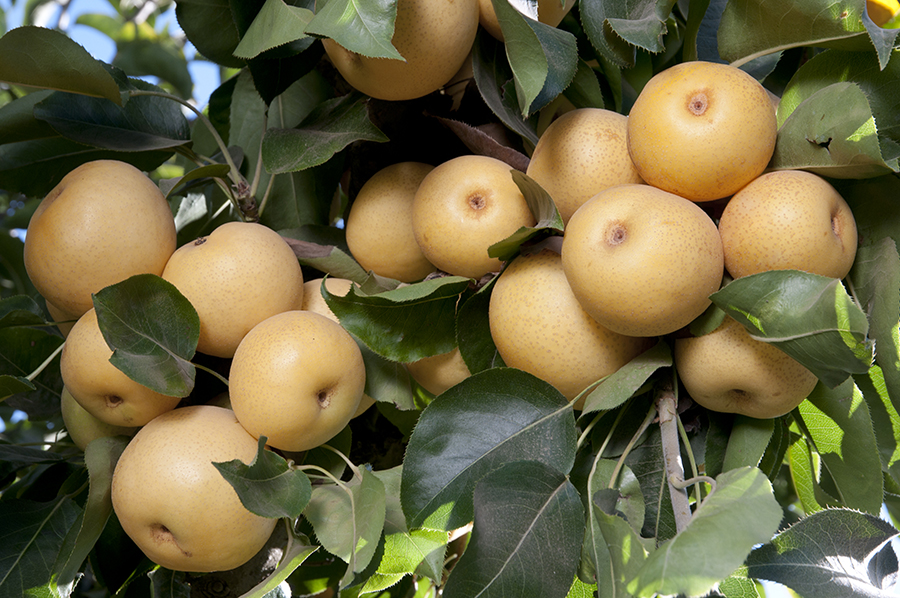
Asian pears are still relatively unfamiliar to many British gardeners, yet they are steadily gaining interest among people who grow fruit at home. Often described as a cross between an apple and a pear in texture, these fruits combine crispness with the sweet, aromatic flavour typical of pears. Their trees also have practical advantages for UK gardens, including reliable cropping and manageable growth habits.
As interest grows, gardeners sometimes search for asian pear trees for sale when planning a new fruit plot. The fruit trees specialists at ChrisBowers note that Asian pears can be a rewarding addition to British gardens when the right varieties are selected and planted in suitable conditions. They explain that these trees “perform well in much of the UK climate and offer a different texture and flavour compared with traditional European pears.” Gardeners looking to understand available varieties and rootstocks can explore specialist nursery listings for asian pear trees for sale.
Despite their increasing availability, Asian pears are still misunderstood in several ways. Some gardeners assume they require hot climates, while others believe they grow exactly like standard pears. In reality, they have their own growing habits, pruning needs, and harvesting characteristics. Understanding a few key points can make the difference between a modest crop and a consistently productive tree.
This article highlights three important things to know about Asian pears from the perspective of experienced UK nursery growers, helping gardeners decide whether they deserve a place alongside apples, plums, and traditional pears.
What Makes Asian Pears Different
Asian pears belong to the species Pyrus pyrifolia, though several closely related species contribute to the varieties grown today. Unlike the classic European pear (Pyrus communis), which develops a soft texture when ripe, Asian pears remain firm and crisp. Many gardeners compare their bite to that of a fresh apple, which makes them particularly refreshing when eaten straight from the tree.
Their appearance is also distinctive. Instead of the elongated pear shape most people expect, Asian pears are usually round, with skin that ranges from golden yellow to light brown with fine russeting. Some varieties resemble large apples at first glance, especially when hanging on the branch in late summer.
For British gardeners, the main practical difference lies in their ripening behaviour. European pears are typically picked while still firm and allowed to ripen indoors. Asian pears, however, ripen fully on the tree. When they are ready, they can be picked and eaten immediately without the need for storage ripening.
This difference can influence harvest timing and orchard management. Trees must be monitored closely as fruit approaches maturity, because leaving them too long on the tree can reduce storage life. However, the advantage is that gardeners can enjoy fruit at its peak sweetness straight from the branch.
Asian pear trees also tend to produce fruit earlier in their life cycle than some traditional pears. Many begin cropping reliably within a few years after planting, particularly when grown on dwarfing rootstocks. This earlier productivity is one reason they are becoming more attractive to home gardeners with limited space.
Another feature worth noting is their blossom. Asian pear trees produce clusters of white flowers in spring that resemble apple blossom, making them decorative as well as productive. In mixed orchards or garden fruit areas, they can complement apple trees both visually and in pollination timing.
Overall, understanding these fundamental differences helps gardeners treat Asian pears not simply as another pear variety, but as a fruit with its own cultivation rhythm.
Why Asian Pears Can Suit the UK Climate
One of the most common misconceptions is that Asian pears require the hot summers typical of East Asia. In fact, many varieties perform well in temperate climates similar to that of the UK. They are generally hardy and tolerate winter conditions across most regions of Britain.
Spring frost can affect blossom, as with most fruit trees, but Asian pears often flower around the same time as apples and European pears. In many gardens this means they fit naturally into existing orchard environments without special protection beyond normal frost precautions.
Rainfall is another factor gardeners often worry about. The UK’s relatively wet growing season can cause problems for some fruit varieties, particularly those prone to rot or splitting. Asian pears tend to cope reasonably well with these conditions, provided they are grown in well-drained soil and receive adequate sunlight.
Soil preparation plays an important role. Like other pear trees, Asian pears prefer fertile soil with good drainage. Heavy clay soils may need improvement with organic matter before planting, while very light soils benefit from added compost to retain moisture and nutrients.
Sunlight remains a key factor for fruit quality. A warm, sunny position encourages proper fruit development and sweetness. South-facing walls or sheltered garden areas can help maximise growing conditions, especially in cooler northern regions of the UK.
Gardeners should also consider pollination requirements. Many Asian pear varieties benefit from cross-pollination with another Asian pear or compatible pear variety. Planting more than one tree, or ensuring nearby pear trees flower at the same time, improves fruit set and overall yield.
Because the trees generally have moderate vigour, they adapt well to smaller gardens when grown on suitable rootstocks. Dwarfing or semi-dwarf rootstocks allow gardeners to maintain manageable tree sizes while still producing generous harvests.
Taken together, these characteristics explain why Asian pears are gradually becoming more common in British nurseries and garden centres. With thoughtful placement and basic orchard care, they can thrive in conditions that might surprise gardeners who assume they belong only in warmer parts of the world.
Tree Growth and Garden Management
The growth habit of Asian pear trees differs slightly from that of European pears, which has implications for pruning and training. Many Asian pear varieties produce abundant fruiting spurs along their branches, which means they can become heavily laden with fruit once established.
This tendency toward heavy cropping is both an advantage and a challenge. On one hand, it means the trees are capable of producing generous yields even in modest garden spaces. On the other, branches can become overcrowded with fruit if the crop is not managed carefully.
Fruit thinning is often recommended. Removing some young fruits early in the season allows the remaining pears to develop larger size and better flavour. It also reduces strain on the branches and encourages more consistent annual cropping.
Pruning practices generally resemble those used for apple trees rather than traditional pears. Gardeners often train Asian pears as open-centre or modified central leader shapes, allowing sunlight to reach the developing fruit. Good airflow through the canopy also helps reduce disease pressure.
Annual winter pruning keeps the tree balanced and prevents excessive growth. The aim is to maintain a structure of well-spaced branches with strong fruiting spurs. Because Asian pears can produce dense clusters of fruit, thoughtful pruning supports both fruit quality and tree health.
Another useful technique is summer pruning, particularly in smaller gardens. Removing overly vigorous shoots during the growing season helps control tree size and directs energy toward fruit development rather than excessive vegetative growth.
Asian pears also respond well to espalier training along fences or walls. This method is especially useful in compact urban gardens where space is limited. The flat training system allows gardeners to grow productive fruit trees in areas that might otherwise accommodate only ornamental plants.
Disease management tends to be similar to that of other pear trees. Monitoring for common issues such as scab, canker, and aphids remains important, although good pruning, airflow, and hygiene significantly reduce these risks.
With consistent care and thoughtful pruning, Asian pear trees can remain productive for many years, providing both reliable harvests and attractive spring blossom.
Harvesting and Eating Asian Pears
One of the most satisfying aspects of growing Asian pears is their distinctive harvest experience. Unlike many fruits that require storage ripening, these pears can be picked and eaten immediately once mature.
Determining the correct harvest time requires attention. The fruit often changes colour slightly as it ripens, and the skin may develop a more golden tone. Another sign is the ease with which the fruit separates from the branch when gently lifted.
Taste testing is often the most reliable method. A ripe Asian pear should be sweet, crisp, and juicy, with a refreshing flavour that balances sugar and mild acidity. When harvested at the right stage, the fruit can be remarkably refreshing, particularly during warm late-summer afternoons.
Storage is possible, though it differs from traditional pears. Asian pears can be kept in the refrigerator for several weeks if picked carefully and handled gently. However, they are generally best enjoyed relatively soon after harvest, when their texture and flavour are at their peak.
In the kitchen, Asian pears have several uses beyond fresh eating. Their crisp texture works well in salads, where they add sweetness and crunch alongside leafy greens or cheese. They can also be sliced into desserts or lightly poached with spices.
In some culinary traditions, Asian pears are used to tenderise meat because they contain natural enzymes. While this is less common in British cooking, adventurous home cooks sometimes experiment with these techniques when preparing marinades.
Their refreshing quality makes them particularly suitable for late-summer fruit platters. When served chilled, the slices retain their crispness and delicate sweetness, offering a different experience from softer pear varieties.
For gardeners who enjoy sharing produce, Asian pears can also be an interesting talking point. Their unusual shape and texture often surprise people who are familiar only with traditional British pears.
Choosing the Right Variety for a British Garden
Selecting the appropriate variety is one of the most important steps when planting Asian pears in the UK. Not all varieties perform equally well in cooler climates, so choosing those known to adapt to British conditions increases the likelihood of success.
Some varieties are valued for their particularly sweet flavour, while others are chosen for reliability and disease resistance. Gardeners should also consider harvest timing, as planting early and late varieties can extend the fruit season.
Fruit size and appearance vary significantly between cultivars. Some produce large, golden fruits with smooth skin, while others develop distinctive russet patterns. These visual differences can influence personal preference as much as flavour.
Rootstock choice is another factor worth considering. Dwarfing rootstocks produce smaller trees that are easier to maintain and harvest. Semi-vigorous rootstocks may be more suitable for larger gardens where space allows the tree to reach greater size.
When browsing nursery catalogues or researching asian pear trees for sale, gardeners often discover that specialist nurseries provide detailed information about pollination groups, tree size, and fruit characteristics. This information helps ensure that the selected tree will integrate well with existing fruit plantings.
Another practical consideration is the availability of compatible pollinators. While some Asian pears are partially self-fertile, planting two varieties that flower at similar times usually results in better fruit set.
Gardeners planning a mixed orchard may also consider how Asian pears fit alongside apples, plums, and cherries. Because their blossom period overlaps with many other fruit trees, they contribute to a diverse and productive garden ecosystem.
Ultimately, careful variety selection ensures that Asian pear trees deliver both flavour and reliability under British growing conditions.
The Growing Interest in Asian Pears Among UK Gardeners
Interest in Asian pears has grown steadily in recent years as gardeners look for new fruits that offer both novelty and reliability. Their crisp texture and attractive appearance make them stand out among more familiar orchard crops.
Another factor driving their popularity is the increasing availability of specialist nurseries supplying a broader range of fruit trees. As gardeners become more adventurous in their planting choices, they are willing to experiment with varieties that were once considered unusual in British gardens.
Asian pears also align well with the broader trend toward home food production. Many people want fruit trees that produce quickly and require manageable levels of care. The relatively early cropping habit of Asian pears makes them appealing to gardeners who prefer not to wait many years for a harvest.
Their suitability for smaller gardens further contributes to their appeal. Modern rootstocks allow these trees to be grown in compact spaces, including trained forms along fences or walls. This flexibility fits well with contemporary garden design, where space is often limited.
In addition, Asian pears contribute visual interest throughout the growing season. From their spring blossom to the distinctive round fruits that appear later in summer, they add variety to the traditional orchard landscape.
For gardeners who already grow apples or conventional pears, introducing an Asian pear tree can provide a fresh perspective on fruit cultivation. The differences in texture, harvest timing, and flavour offer a new experience without requiring radically different gardening techniques.
As awareness continues to grow, Asian pears are likely to become a more familiar sight in British gardens. With proper variety selection, suitable planting conditions, and basic orchard care, they offer a productive and distinctive addition to the home fruit garden.